• In-House Photo Studio: A Lighting Guide for Companies

In-House Photo Studio: A Lighting Guide for Companies

Why more companies are building their own photo studio

Product images for the online shop, employee portraits for the website and LinkedIn, pictures of people and facilities for presentations and social media: photography has become part of everyday business communication. More and more companies are therefore producing these images themselves – faster, with more control over their visual language and at a lower cost per picture.

But an in-house photo studio is not simply an equipment purchase. It is a decision about how images will be made, repeated and maintained as teams and products change. A setup that does not match the job leads to inconsistent results, frustrated users and lights that end up in a cupboard.

That is why broncolor lighting experts from four continents are writing a free, practical guide for companies that want to set up a new in-house studio or extend their existing lighting equipment. It will be available in November 2026 – sign up below and we will send it to you as soon as it is published.

Written by lighting experts from four continents

The guide is being written by four broncolor lighting experts based in Europe, North America, Asia and Australia. Over the years, they have advised companies, studios and photographers of all sizes on choosing equipment, developing lighting setups and improving everyday workflows. They have seen what works, what creates unnecessary complexity and which decisions make the greatest difference in practice. Each expert contributes from their own field of experience:

Europe – consistent product photography and repeatable, automated workflows
North America – efficient high-volume production and studio organisation
Asia – showing materials, textures and colours as they really are
Australia – flexible lighting that works in the studio and on location

Start with the pictures, not the equipment

Before choosing lights, define what your studio will produce. A flattering employee portrait, a glossy metal component and a white-background catalogue image each call for a different approach to lighting. The guide therefore starts with five questions every company should answer first:

1. What will be photographed most often?
2. How many images must the team produce each month?
3. Do pictures need to match across months or years?
4. Will the equipment travel outside the studio?
5. Who will operate it, and how much experience do they have?

From there, our experts work backwards to the lighting, light shapers and workflow that make those pictures possible – whether you need product photography for e-commerce, consistent employee portraits or images for corporate communication.

Who the guide is for

The guide is written for companies rather than full-time professional photographers: marketing and communication teams, e-commerce and product content managers, in-house photographers and anyone responsible for planning or purchasing studio equipment. Whether you are setting up your first in-house photo studio or expanding an existing one, it helps you ask the right questions and make informed decisions based on your actual applications.
Get the free guide

What’s inside the guide

  • Plan the right setup

    Part 1

    Start with the pictures, not the equipment. Studio-only or on location? Monolights or a power pack system? How many lights do you really need – and why a third light is often the best insurance for important shoots.

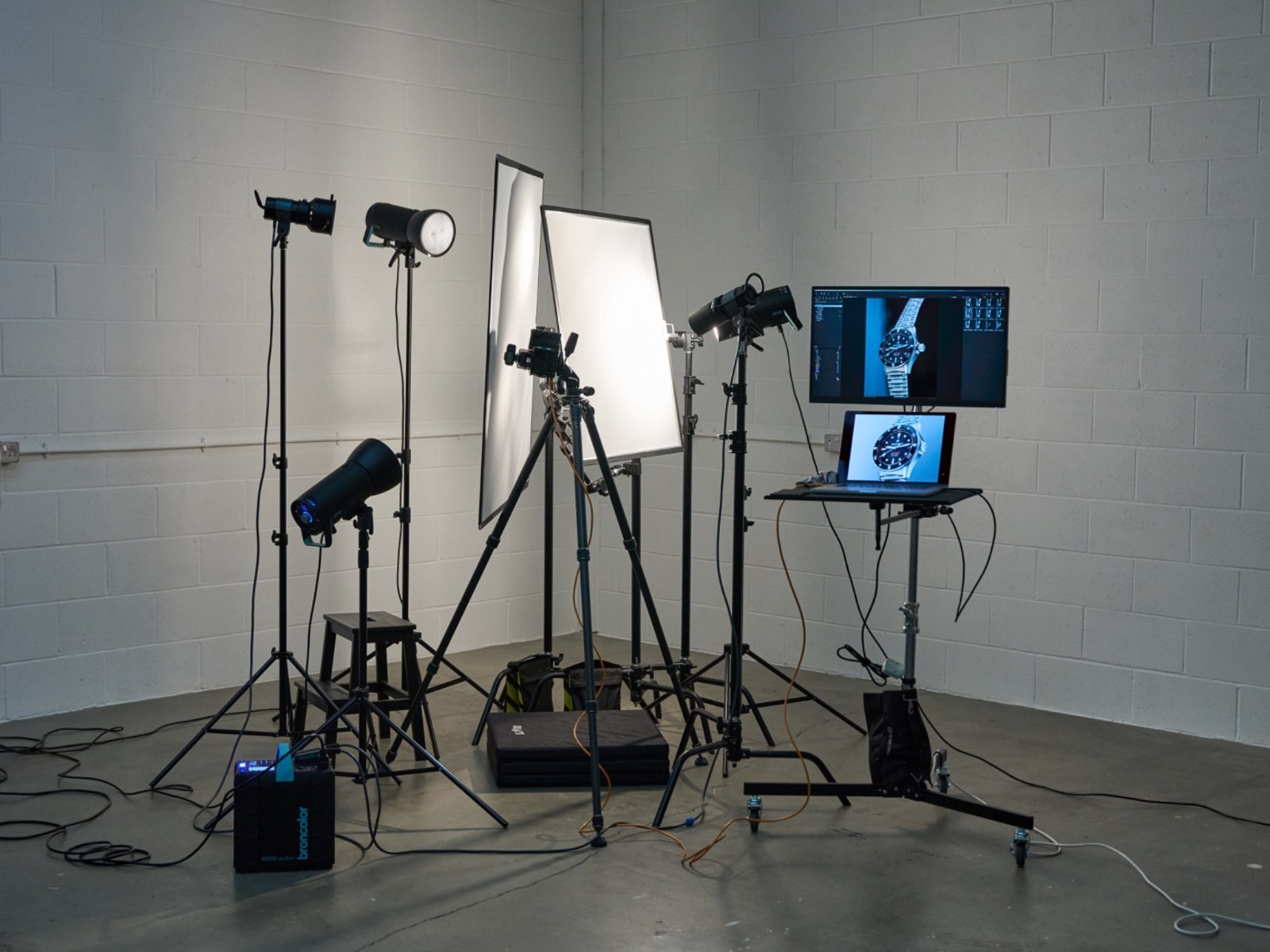
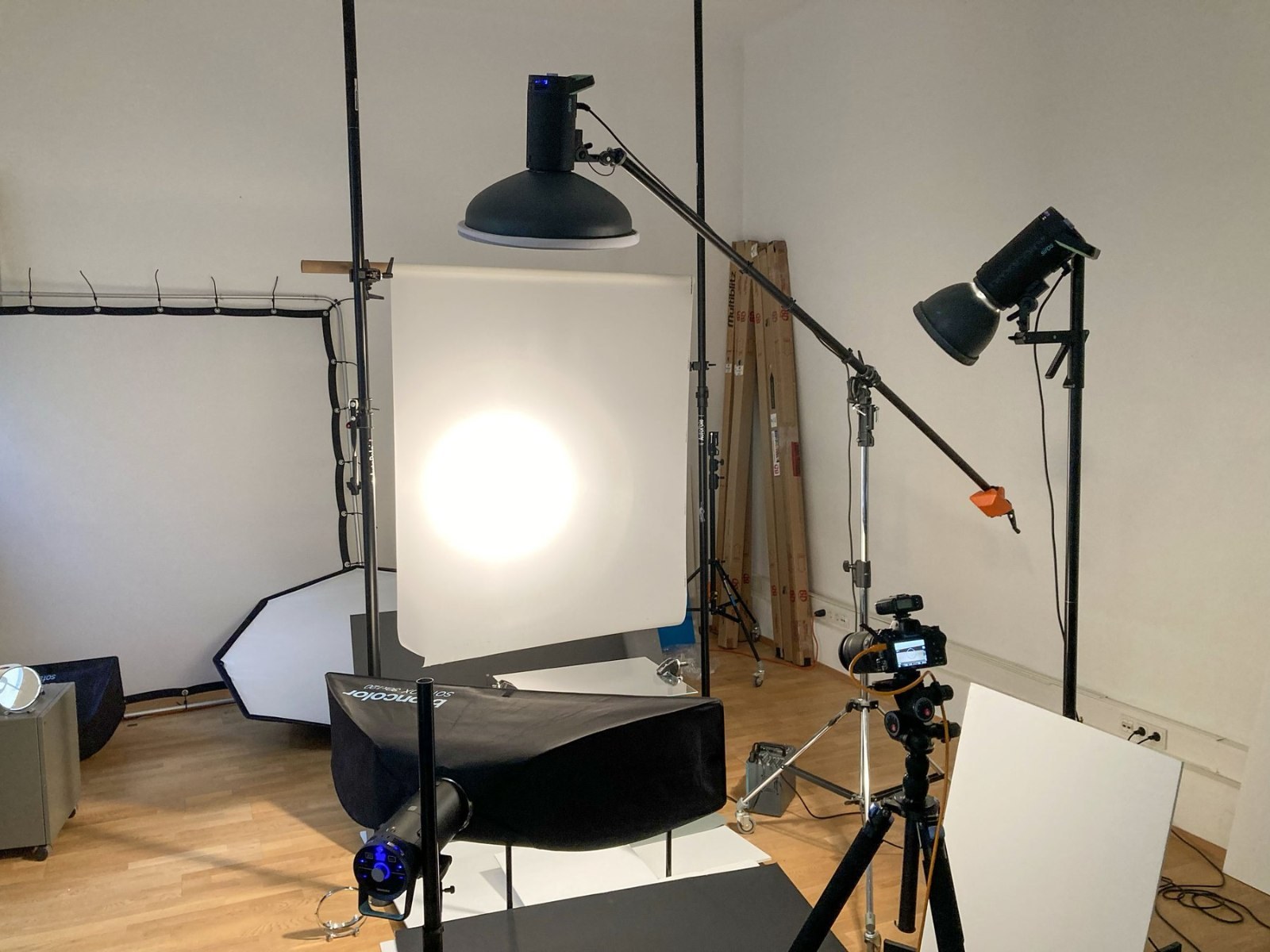
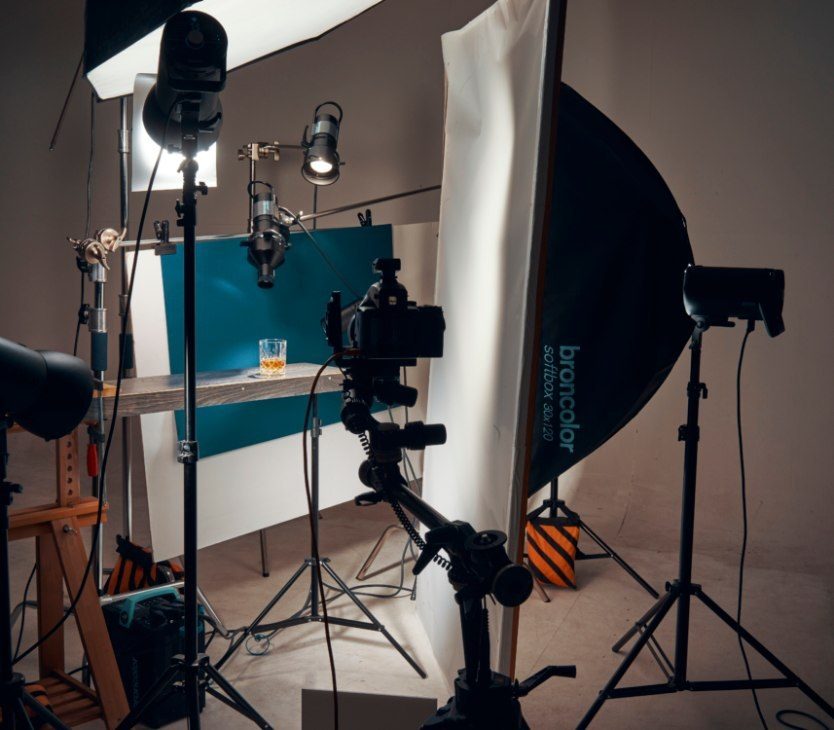
    Pictured: compact product setup with Picolite heads on a Scoro power pack. Credit: Nils Wilbert

    Compact product photography setup with Picolite heads on a Scoro power pack – Credit: Nils Wilbert
  • Get consistent results

    Part 2

    Why control matters more than power, how to keep product images and employee portraits consistent across months and years, and how to show products as they really are.

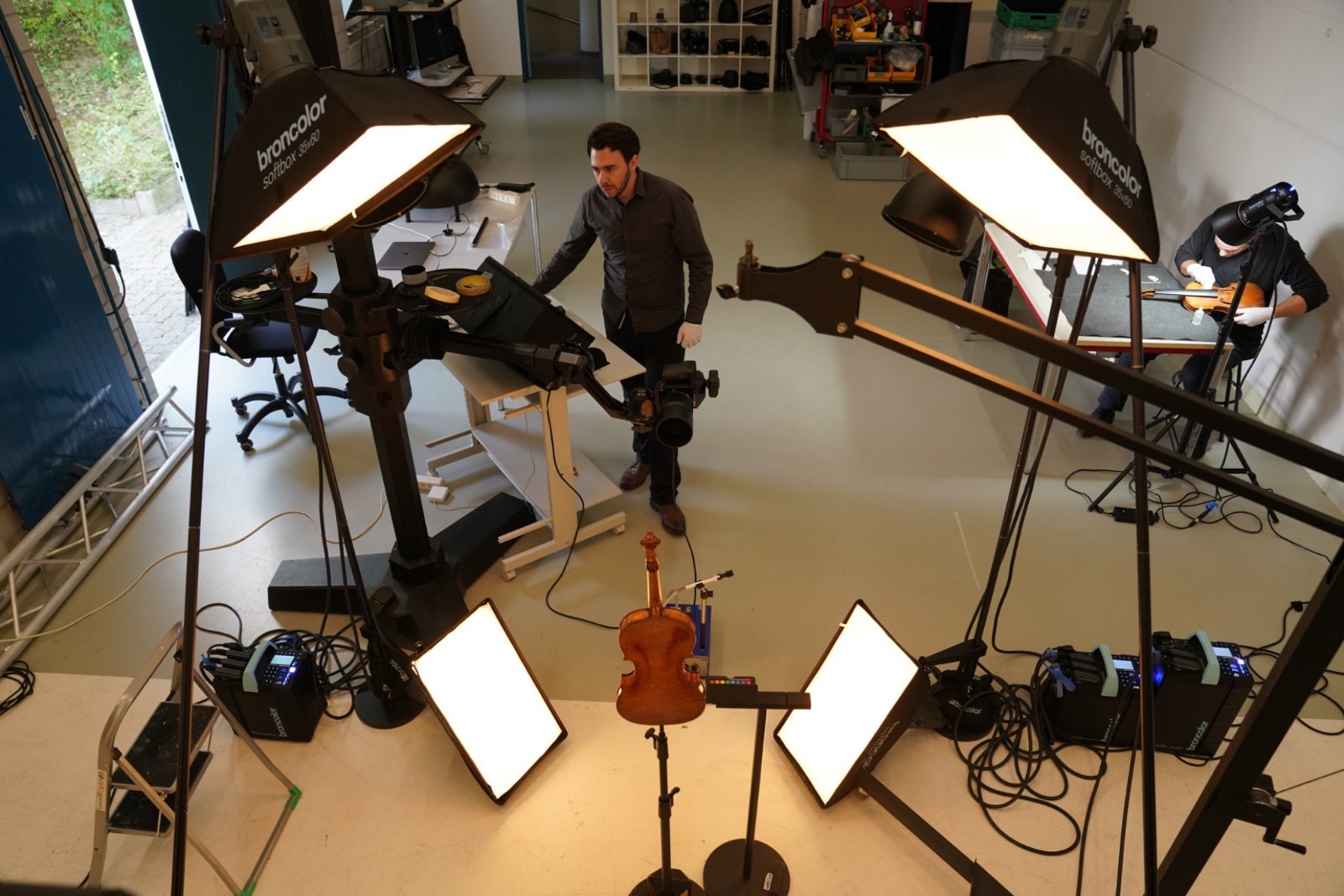
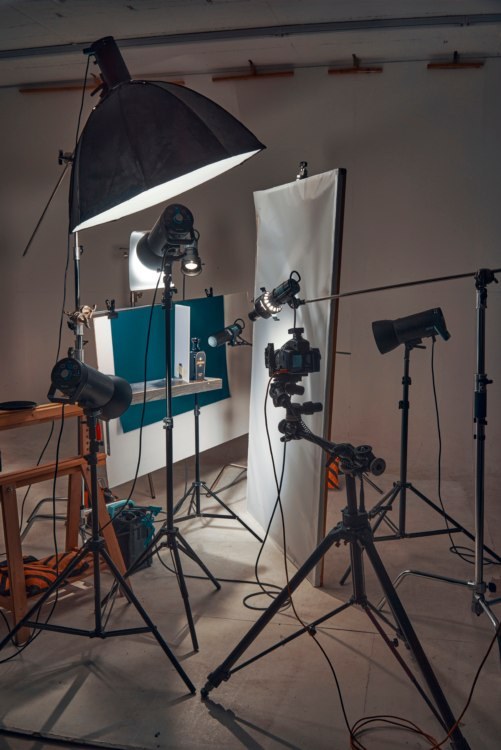
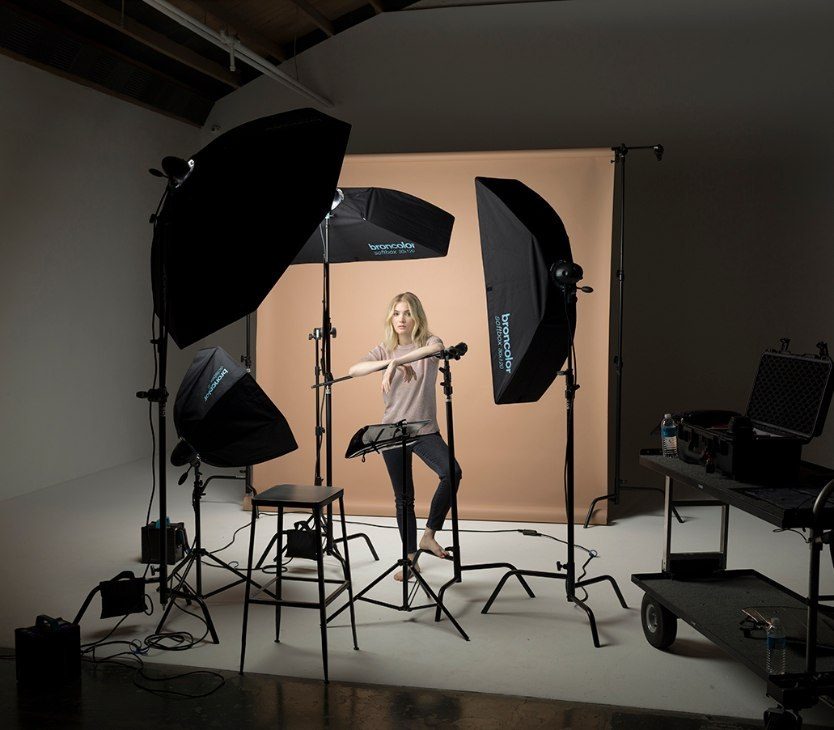
    Pictured: portrait setup with two Softboxes and two Octaboxes. Credit: Sandro Baebler

    Portrait setup with two softboxes and two Octaboxes – Credit: Sandro Baebler
  • Light shapers and workflow

    Part 3

    A practical starter selection of light shapers, how to document setups so any team member can reproduce them, and when to choose flash or continuous light.

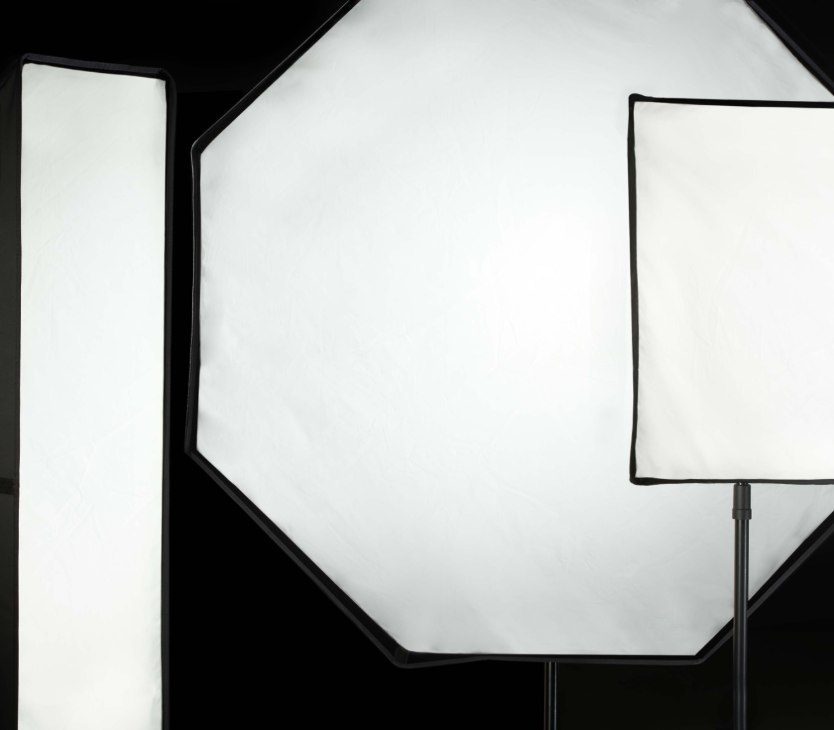
    broncolor softboxes and Octabox light shapers
  • Invest with confidence

    Part 4

    Why a professional system pays off, what to know about maintenance, compatibility and rentals, how to plan the budget – plus a studio checklist to use before you buy.

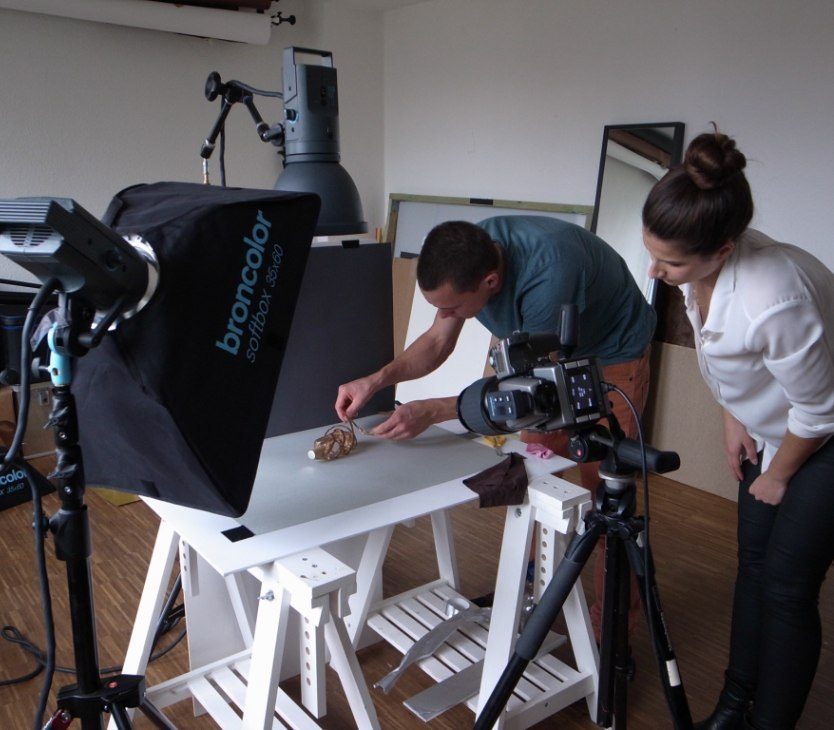
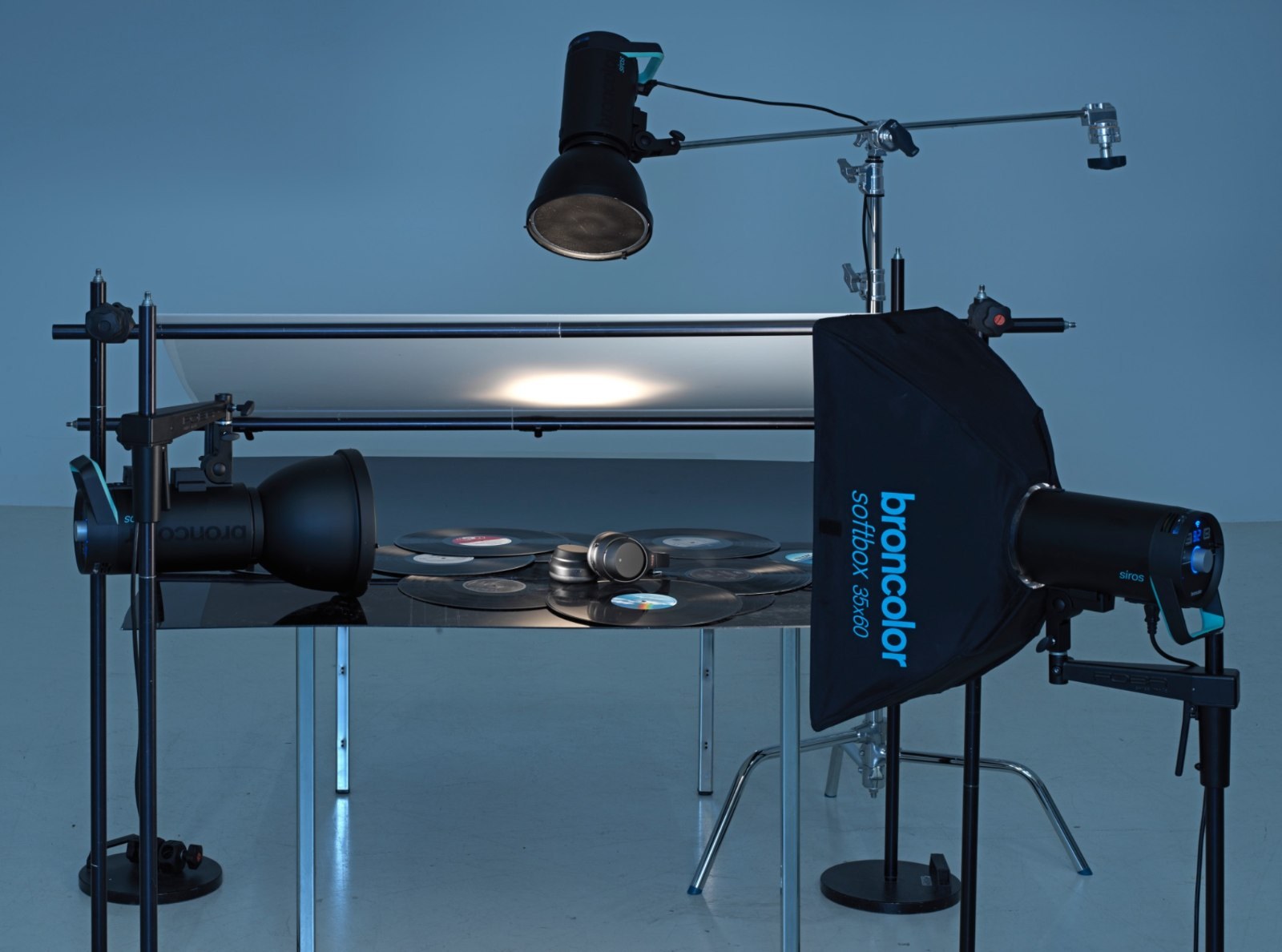
    Pictured: product shoot with Scoro and Pulso G. Credit: Manuel Mittelpunkt

    Product photography with Scoro and Pulso G in a small in-house studio – Credit: Manuel Mittelpunkt

Frequently asked questions about in-house studio lighting

How many studio lights does a company need?

One light with a softbox can already produce flattering portraits and simple product photos. Two lights are a practical recommendation for most in-house studios: one lights the subject, the other the background, the shadows or separation. Three lights are often the most versatile choice – and if one head fails during an important shoot, the other two can keep production going.

Monolights or a power pack system?

Monolights combine everything in one housing and are adjusted individually – practical for portraits, small-to-medium product sets and frequently changing setups. Power packs centralise energy and control, keep the flash heads compact and give access to high total power and specialist heads – useful for demanding product photography and complex multi-light setups.

Flash or continuous light for an in-house studio?

For companies whose main goal is professional still photography, flash is generally the more versatile starting point: it delivers a lot of light in a very short time, allows low ISO and small apertures for product detail, freezes movement and reduces the influence of changing room light. Continuous LED light becomes relevant when the studio also produces video.

Want the complete answers?

The free guide covers these questions in depth – with practical tips from our experts on four continents, setup examples, budget planning and a studio checklist to use before you buy.

Get the free guide