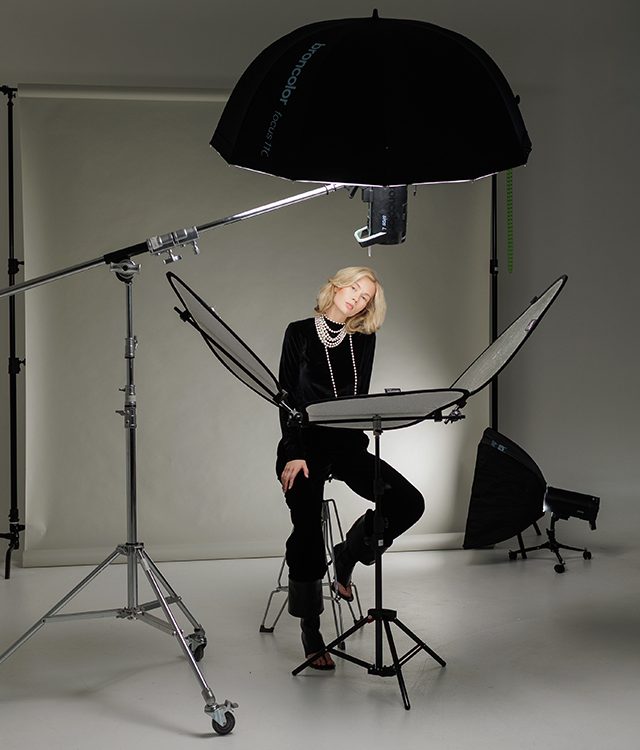
One aspect I love about this work is the continual development of ideas and problem-solving. Often, the most interesting results come from very simple objects used in slightly unexpected ways.
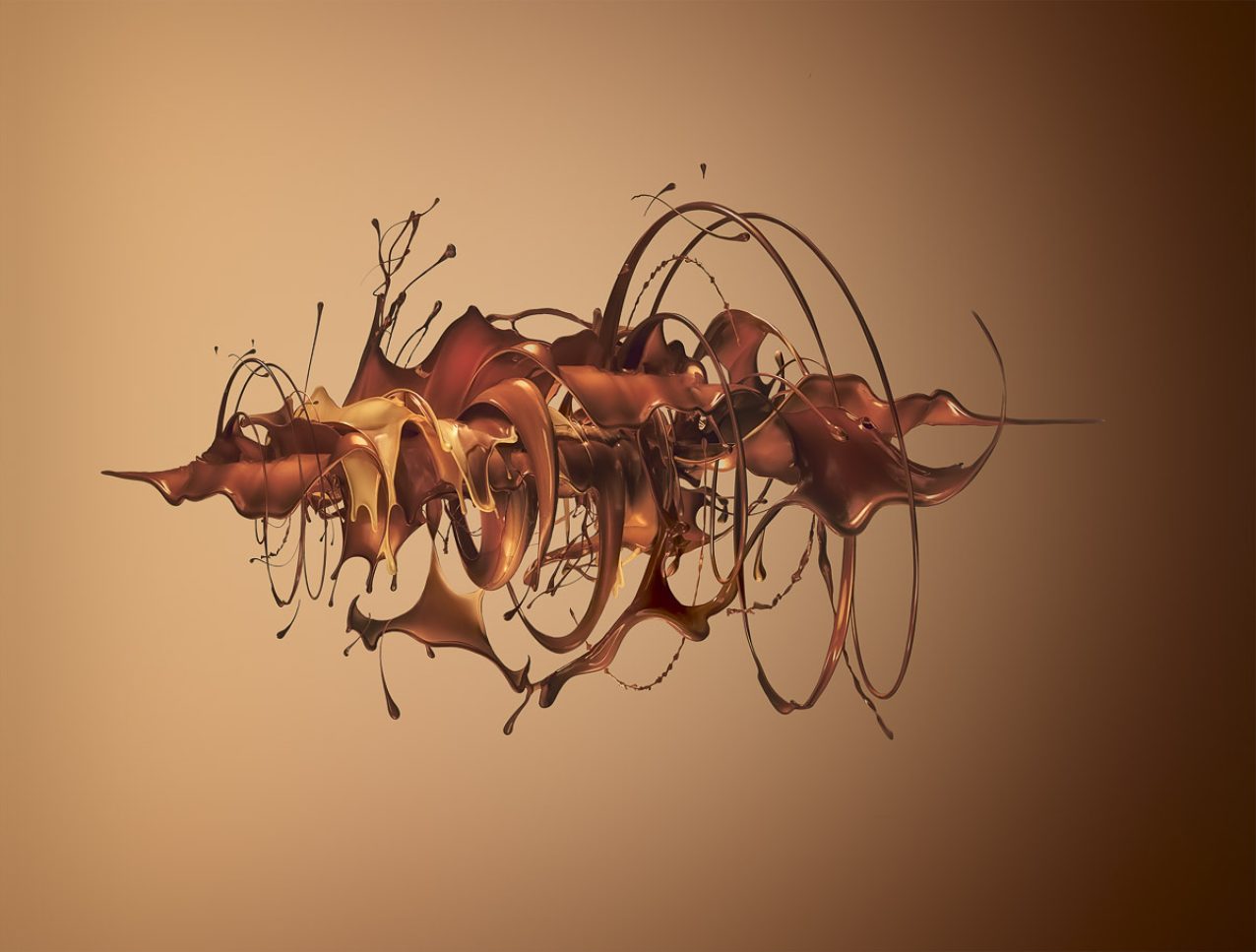
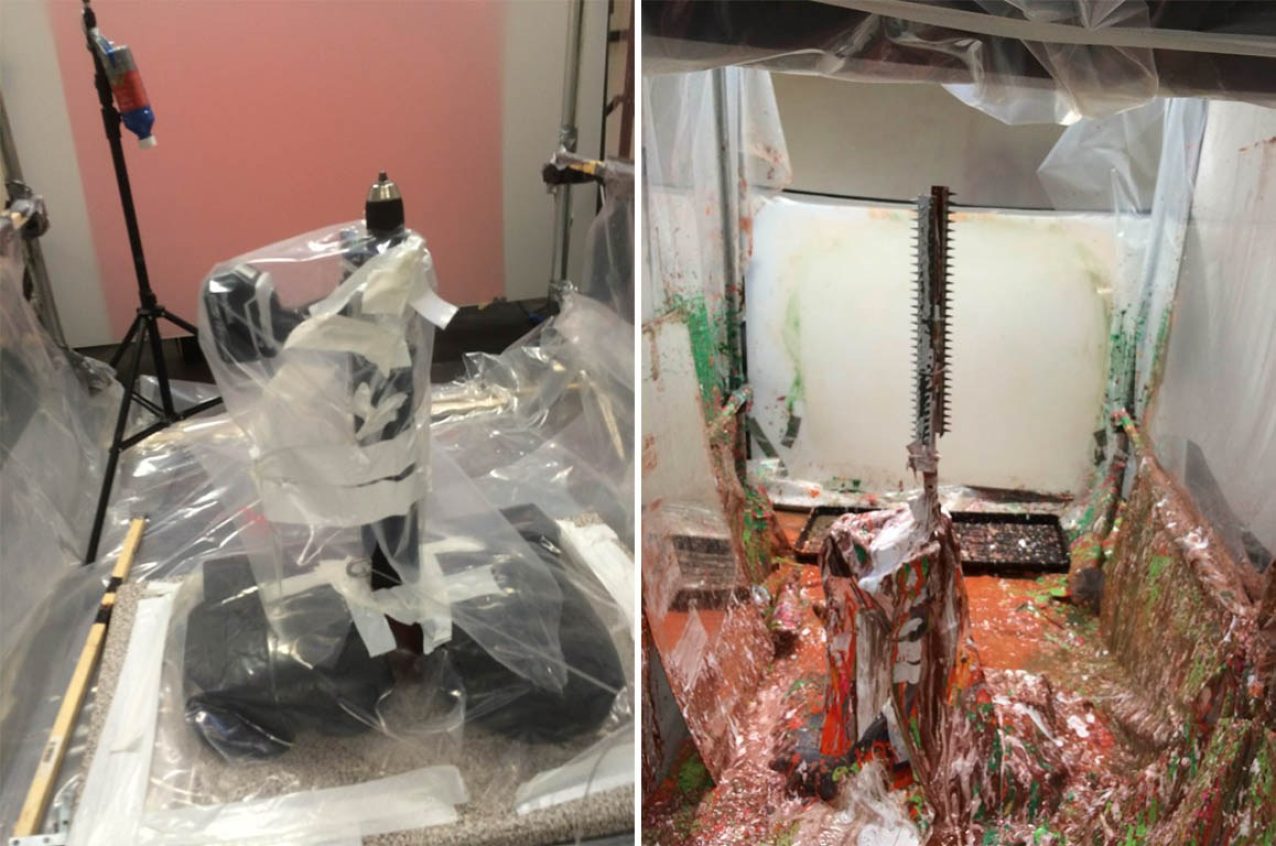
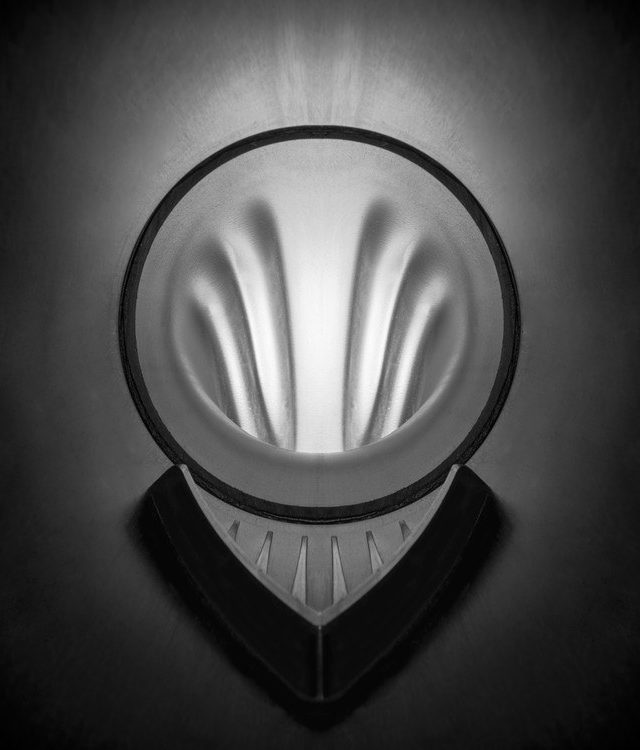
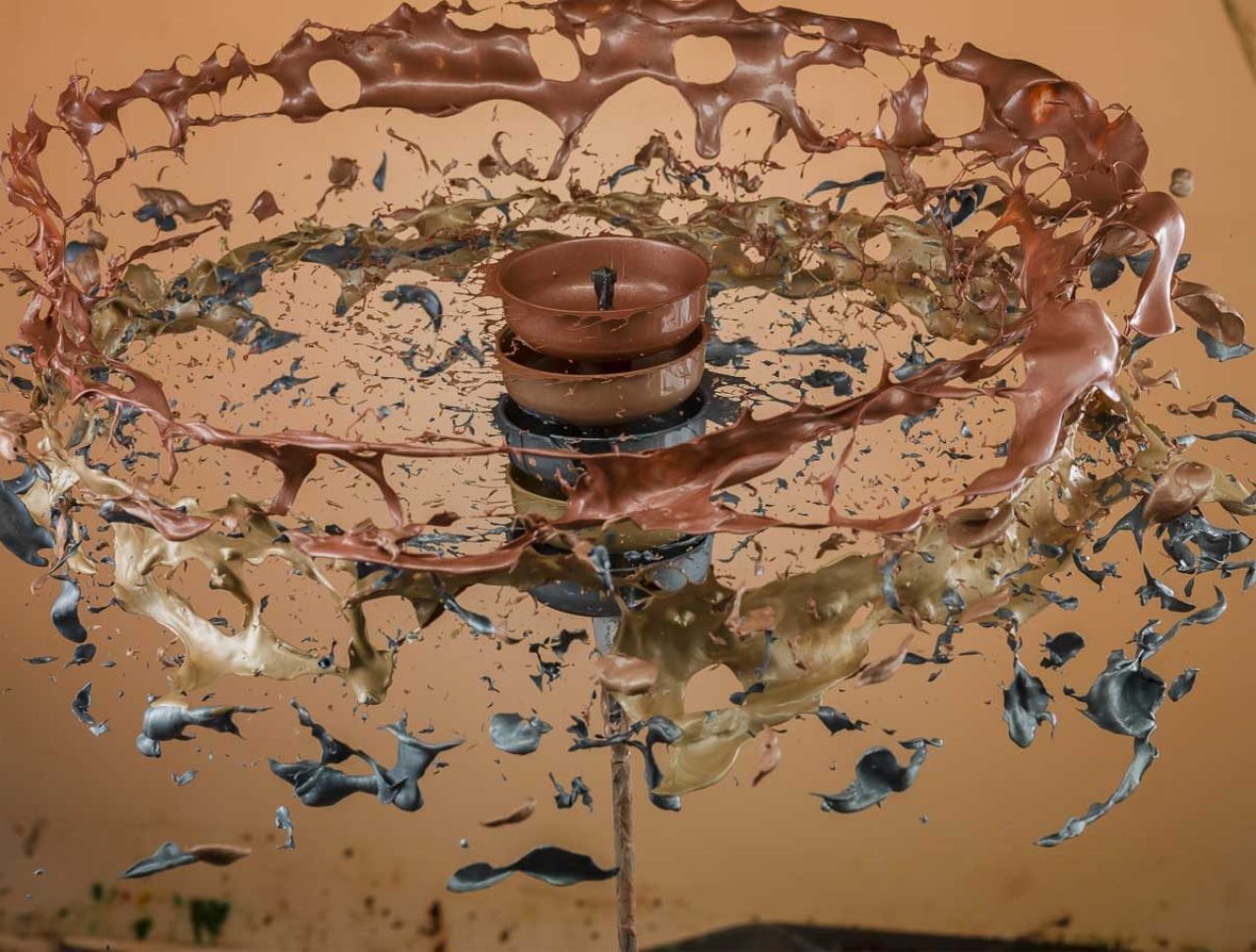
For this image, I used a stack of inexpensive disposable plastic champagne glasses. I removed the bases, drilled a hole through the centre of each one, then stacked them onto a drill. This created a layered spinning structure that could hold the liquid before releasing it.
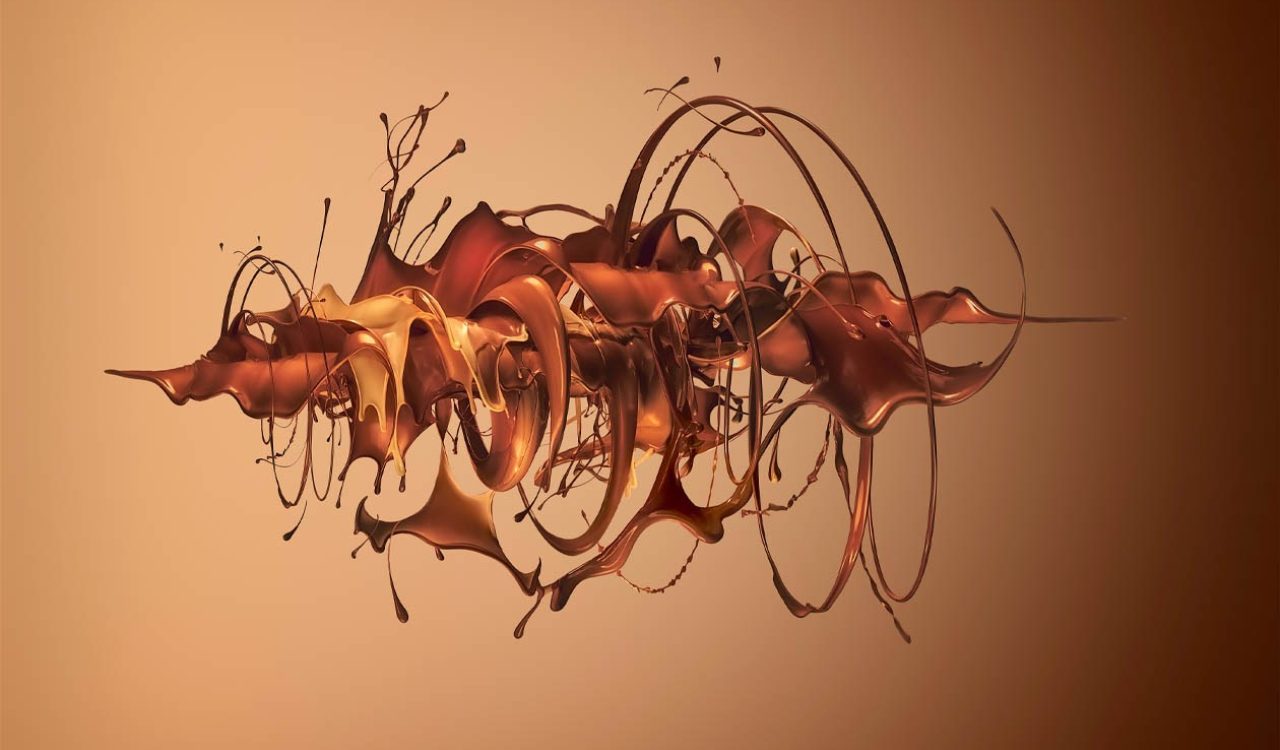
The "chocolate" was not real chocolate. It was water-based brown children's paint, mixed to achieve the right flowing texture and shine. Once the glasses were filled and the drill was triggered, the sudden spin forced the liquid outwards and slightly upwards. The momentum naturally created these beautiful layers, ribbons and droplets of liquid, giving the appearance of chocolate suspended in mid-air.
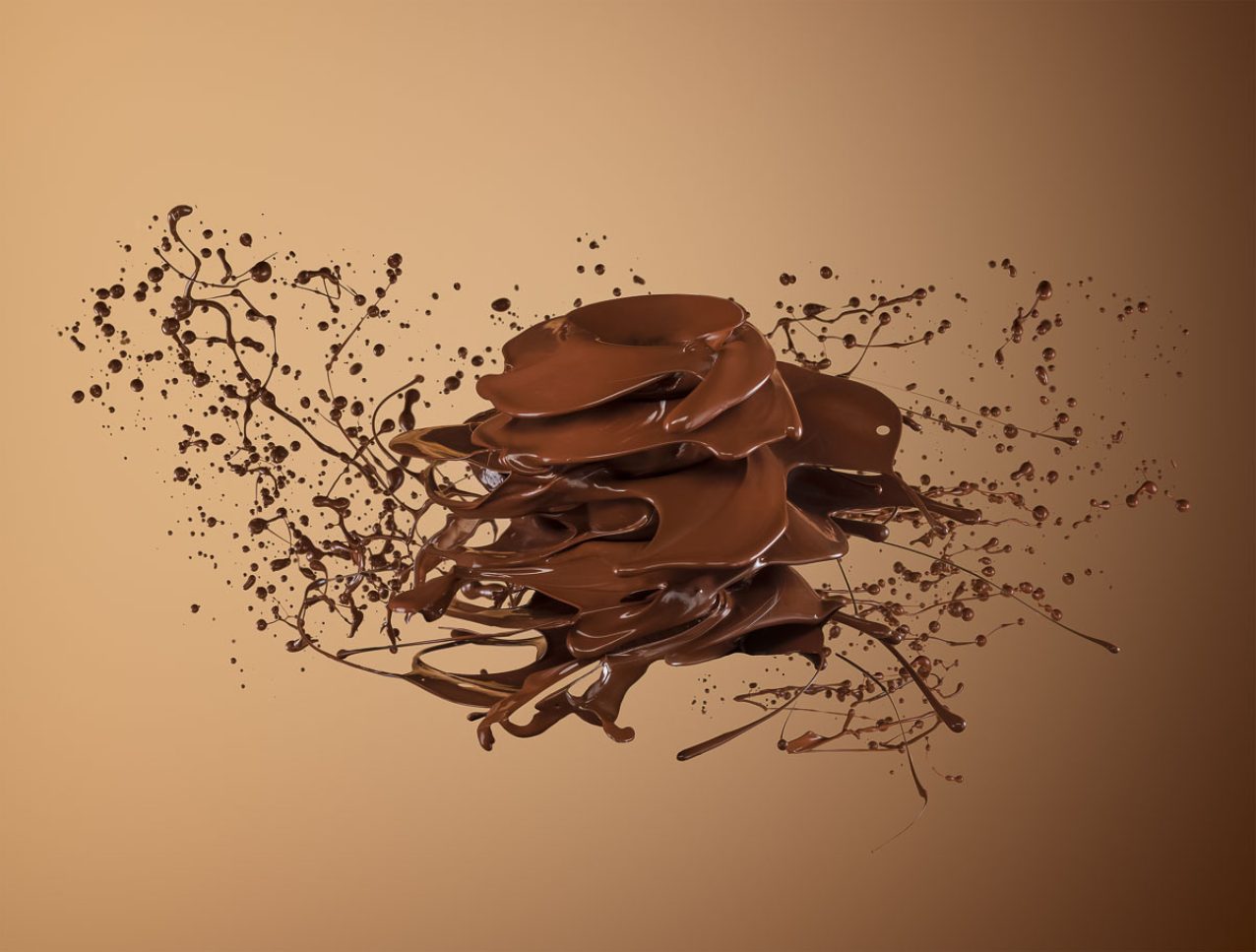
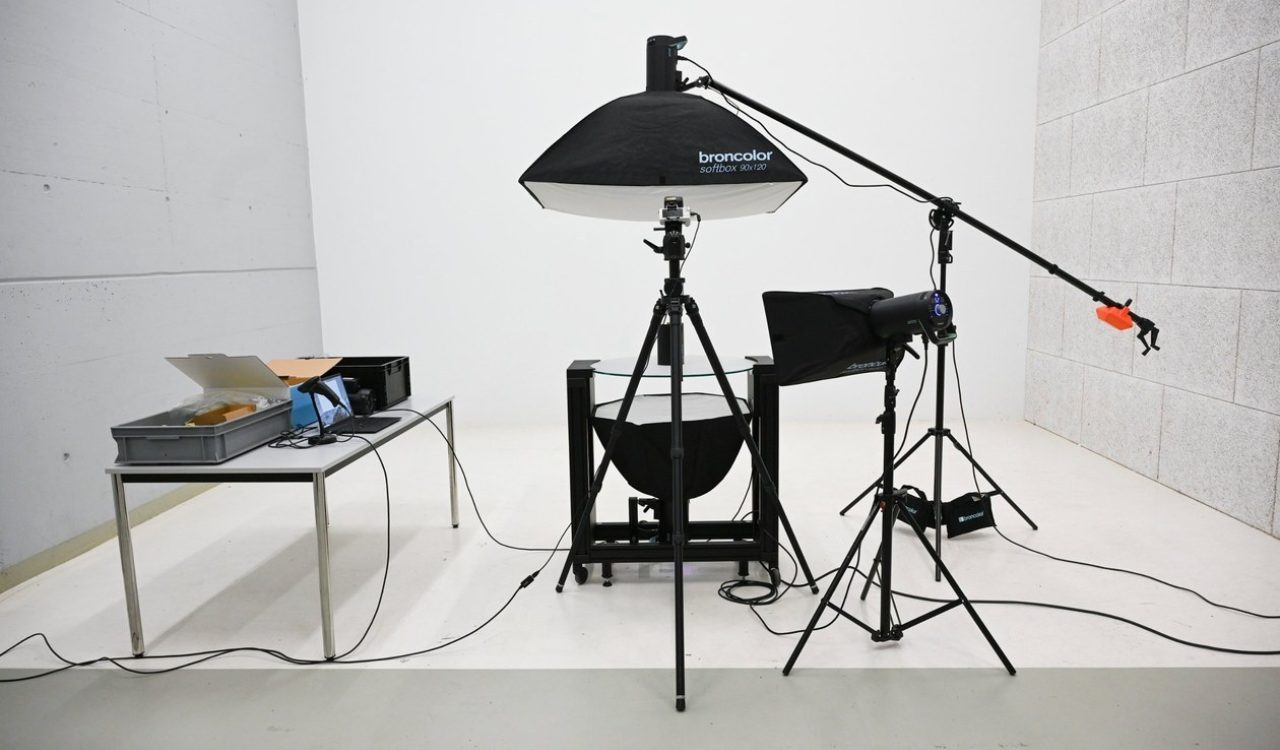
Lighting is critical with this type of image. I used two Scoro packs with a very short flash duration – around 1/10,000 of a second – because the moment of magic happens incredibly quickly. The flash is what freezes the liquid, not the camera shutter.
For the lighting itself, I used a fairly hard light source. With liquids, and especially anything meant to look like chocolate, a hard highlight is important because it gives the surface that rich, glossy shine. I used a strip box positioned to one side, then experimented with controlling and shaping the light further. Even small changes, such as flagging sections of the light or taping off areas to break it up, can create very different textures and reflections in the liquid.
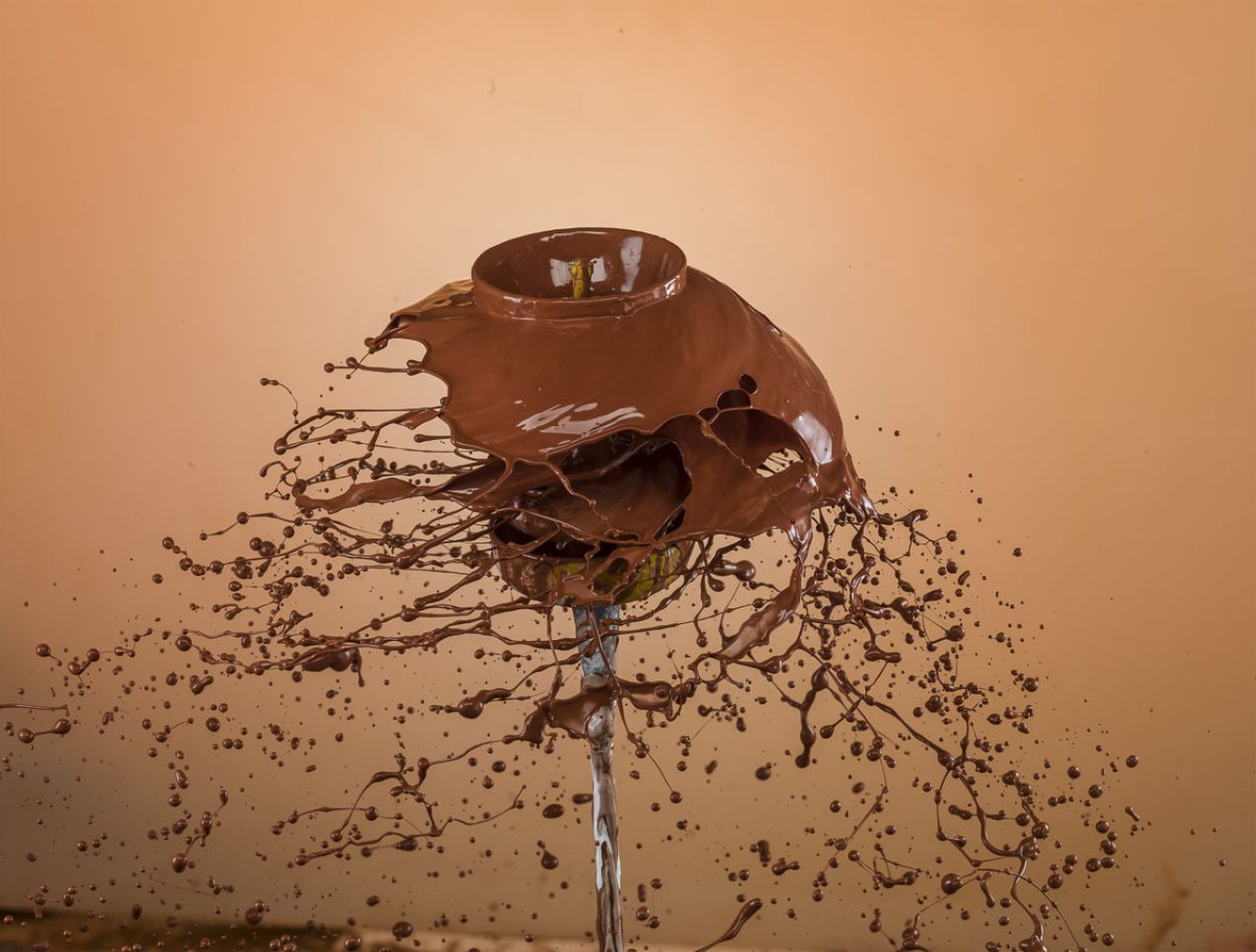
A big part of this technique is experimentation. The speed of the drill, the thickness of the paint, the amount of liquid in each layer, and the shape of the plastic glasses all affect the final result. Small adjustments can produce completely different forms, from fine splashes to thicker, sculptural ribbons.
The most critical part of a composite shot like this is that both the camera and the spinning device remain absolutely fixed. Nothing can move between shots. By keeping everything locked in position, you can shoot multiple takes and then combine the best parts of each one afterwards. The perspective stays identical, giving you the freedom to build the final image from the strongest liquid shapes, droplets and highlights.
It is a simple setup in principle, but the final result comes from control, timing and repeated testing. You keep adjusting the liquid, the speed, the lighting and the angle until the structure of the splash begins to feel intentional rather than random.